
 Dealer photo
Caterpillar 938K
£21,950 +VAT cash price or £556/mo over 48 months, £26,671 repayable in total plus the VAT deposit
Key details
- Year
- 2015
- Hours on clock
- Not given
- Make
- Caterpillar
- Model
- 938K
- Type
- Wheel loaders
- VAT
- +VAT
- Seller
- Littler Machinery (all their stock)
- Location
- Skelmersdale, Lancashire
- Region
- North West
Worth asking the dealer
Picked out from the dealer's own description, so you go in informed.
- Hours are not listed. Ask for the reading and any service records.
Dealer's description
The CAT 938K Wheel Loader is designed for material handling, loading and general site operations. It features an articulated steering system and a front-mounted bucket, providing manoeuvrability and versatility across a range of working environments. The 938K is part of Caterpillar’s K Series wheel loader range, with specifications suited to a variety of loading requirements.
Price tracking
£21,950 since we started tracking on 1 Nov 2026. Comparison with similar machines appears once we have 90 days of data.
Still listed on Littler Machinery's own website on 24 November 2026. Condition comes from the seller. Arrange any independent inspection separately. See what to check before buying.
View on dealer's siteMore wheel loaders
 Dealer photo
Volvo L260H 2019
 Dealer photo
Caterpillar 966M 2018
 13 photos
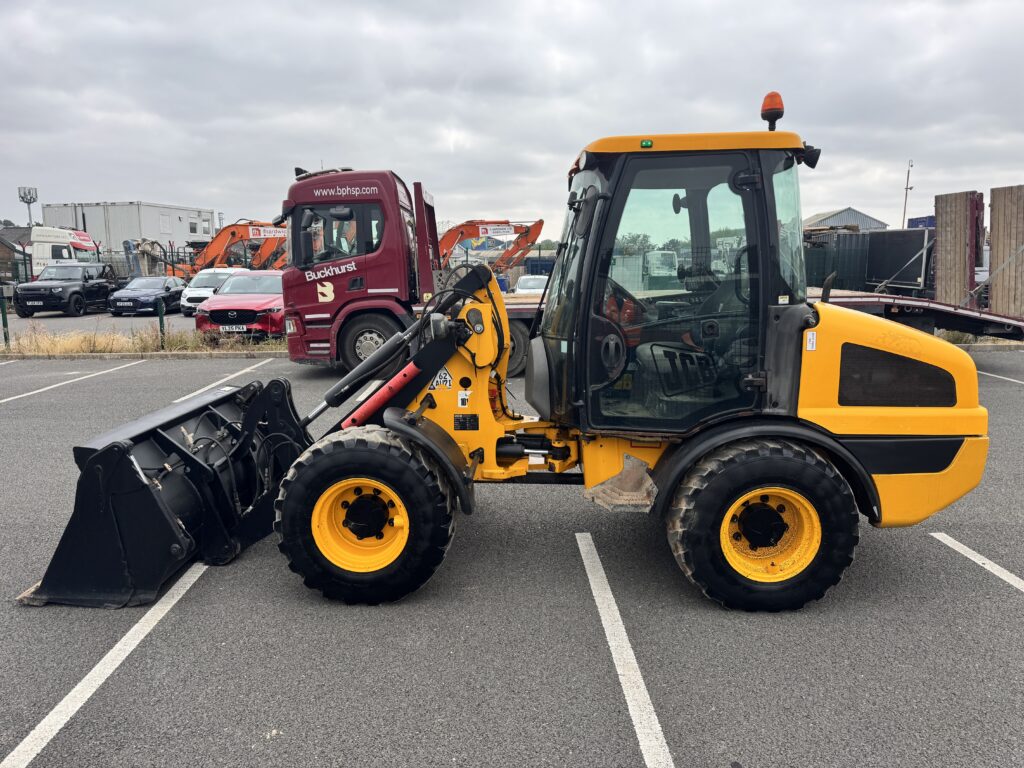
JCB 406 T4 Toolmaster Loader/Shovel - Only 1792hrs
Questions about used wheel loaders
How much fuel does a loading shovel burn?
Caterpillar telematics data puts a 12 tonne class loader at roughly 6.5 to 9.5 litres an hour and an 18 tonne class machine at about 9 to 14 litres, depending on how long it idles. Long carry distances and steep ramps push this up. On a yard machine working full days, fuel can easily be the largest single running cost.
What are the main yearly costs of owning a wheel loader?
Fuel, tyres, servicing, insurance and security. One UK analysis gives guide ranges for major plant of £5,000 to £15,000 a year for maintenance and £2,000 to £8,000 for insurance. Tyres can be a big extra on abrasive sites. Add a tracker, which one installer charges £135 to £185 a year for. Your real figures depend on size, hours and region.
When is buying a loader better than hiring?
Loaders that work every day in a quarry, recycling yard or farm usually suit ownership. At £1,200 a week before VAT, a year of continuous hire would cost over £60,000. Compare that with the monthly figure on a listing over twelve months plus running costs. Occasional users may still be better hiring. The monthly prices on this site are illustrative.
What affects the asking price of a used wheel loader?
Operating weight and bucket size set the band, then make, hours and tyre condition. Buyers pay more for weighing systems, ride control, a quick hitch and clean service history. Worn pins and bushes, transmission faults and bald tyres can cost thousands, so check them carefully. Comparing similar listings on this page shows where a loader sits in the market.
What deposit is needed on a wheel loader?
Dealer sales are often structured with the VAT paid upfront as the deposit, which a VAT registered business reclaims. On larger loaders a balloon payment can lower the monthly cost but leaves a lump sum at the end. Lenders may ask for more on older machines. Approval is never guaranteed and the monthly prices on this site are illustrative.