
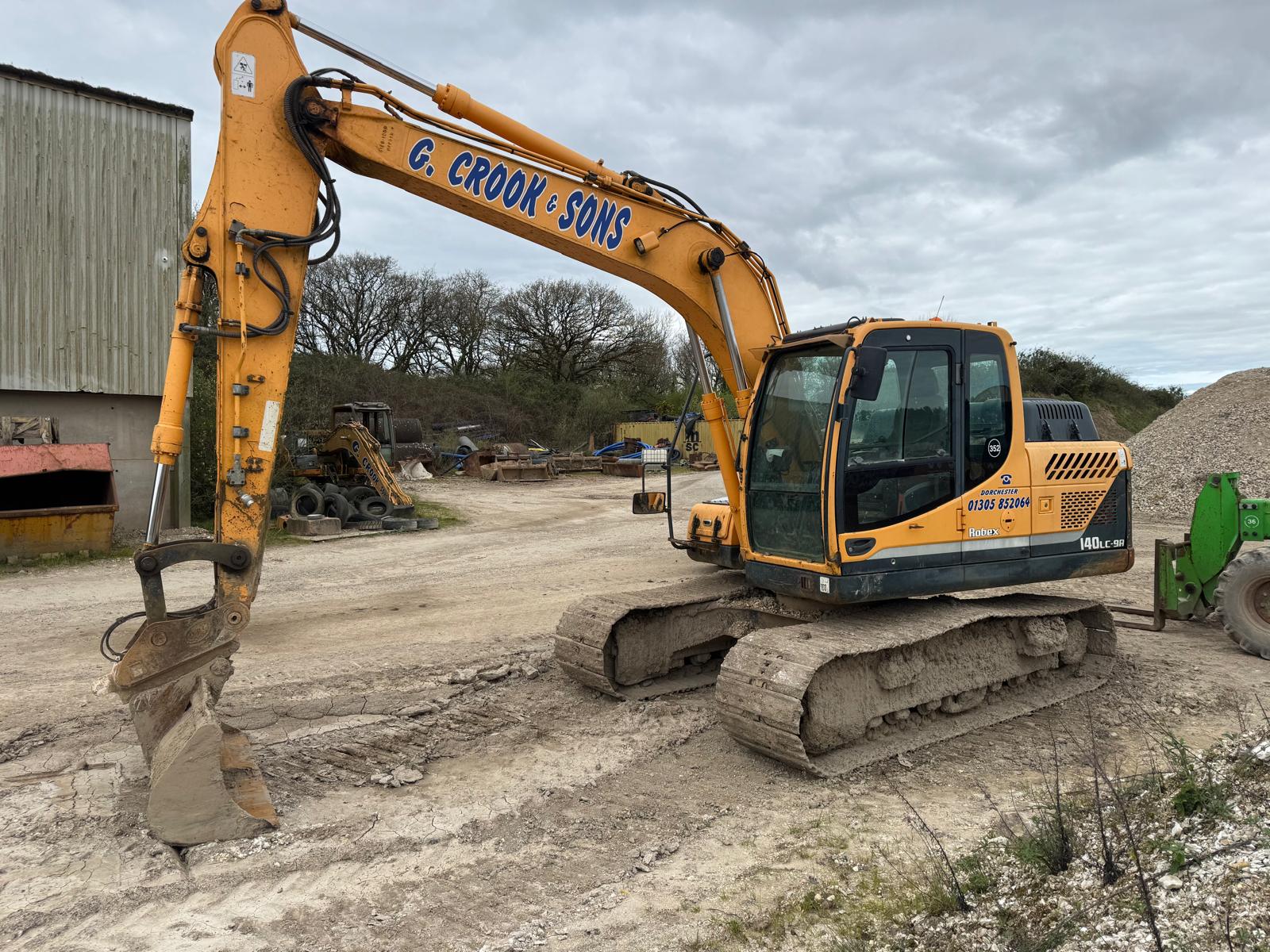
 Dealer photo
Hyundai R80CR-9
£22,000 +VAT cash price or £557/mo over 48 months, £26,732 repayable in total plus the VAT deposit
Key details
- Year
- 2015
- Hours on clock
- 5,618
- Type
- Excavators
- VAT
- +VAT
- Seller
- G Crook & Sons Ltd (all their stock)3.4
- Location
- Dorchester, Dorset
- Region
- South West
Dealer's description
9 Price £ 22000 + VAT Year 2015 Hours 5618 Condition 4 out of 5 Enquire Now Additional Details Auto / hydraulic quick coupler Hammer hydraulic function Air conditioning Quick coupler Rubber tracks Rotating beacon Ditching/grading bucket FULL SERVICE HISTORY ONE OWNER Enquire Now Name * Email * Phone Vehicle Message * HP Name Enquire Now Previous Post CASE CX18 C Next Post HYUNDAI R220-9 Also For Sale AUSA D120 AHA MANITOU MLT630 105D HYUNDAI R140-9A Have a Question? If you would like more information about something or you can’t find what you are looking for then please feel free to contact us
Price tracking
£22,000 since we started tracking on 22 Nov 2026. Comparison with similar machines appears once we have 90 days of data.
Still listed on G Crook & Sons Ltd's own website on 24 November 2026. Condition comes from the seller. Arrange any independent inspection separately. See what to check before buying.
View on dealer's siteMore excavators
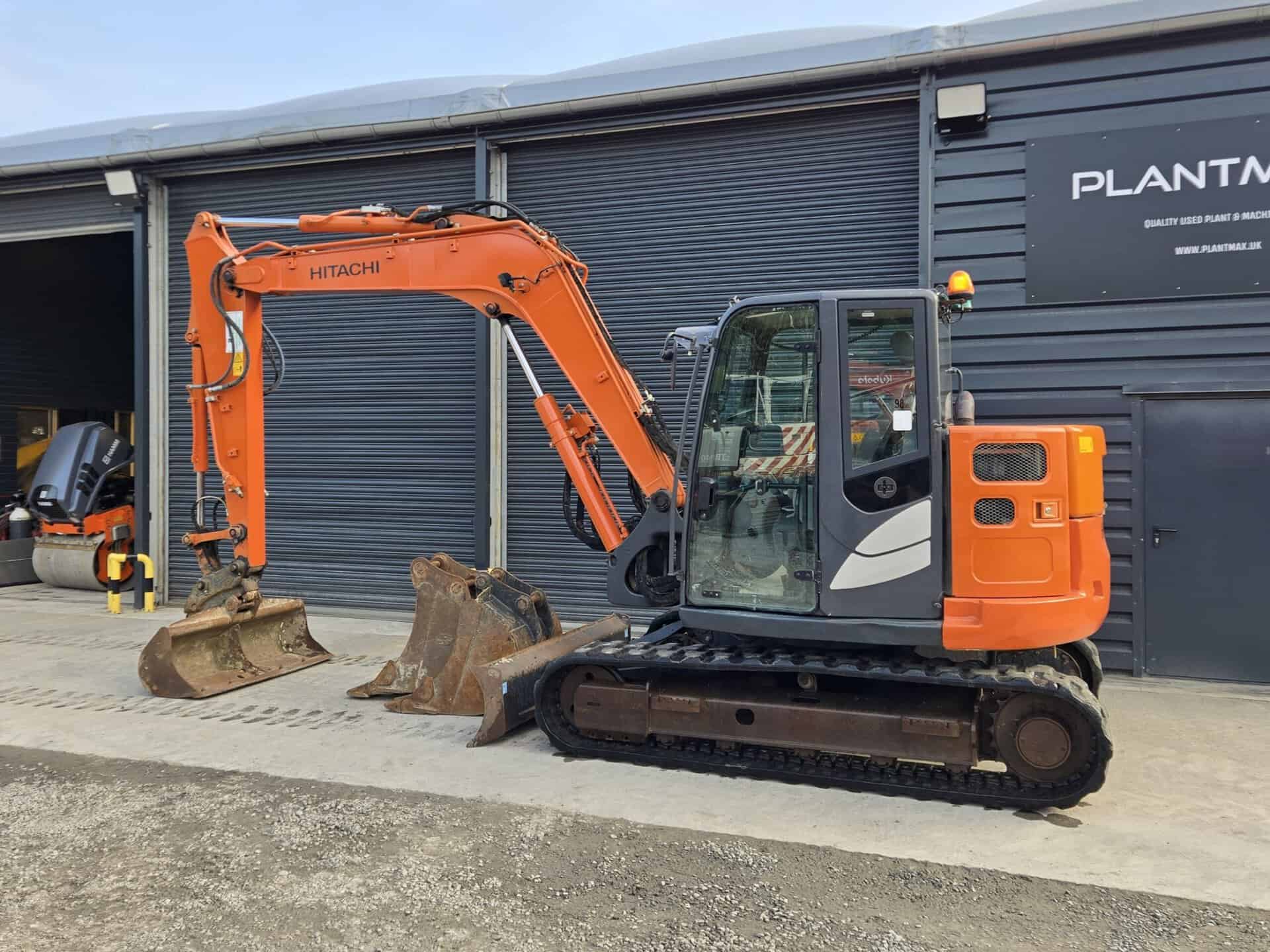 13 photos
Hitachi ZX85USB-6 Midi Digger 8.6 ton, 2019, LOW Hours –
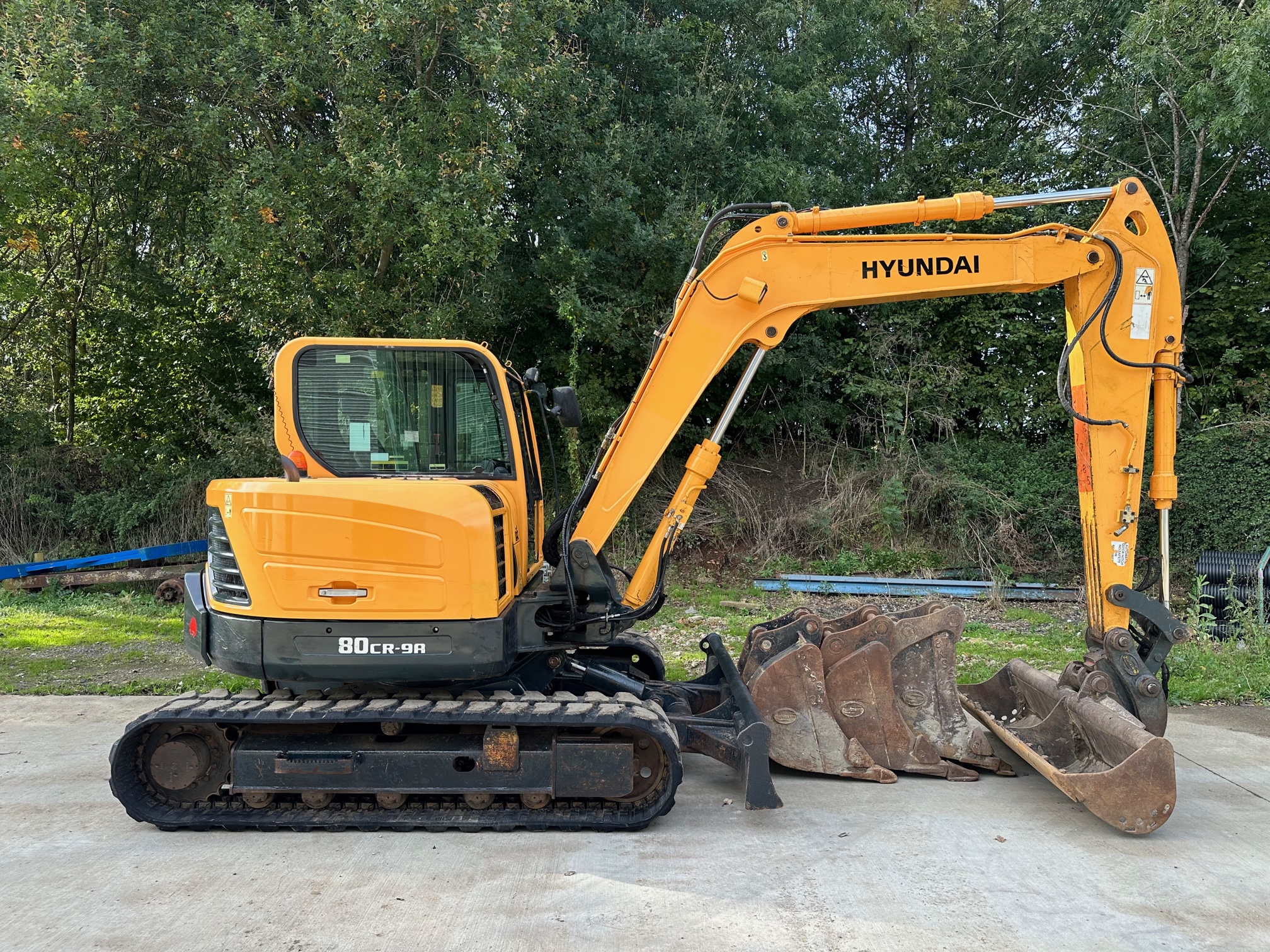 12 photos
Hyundai Robex 80 year 2017
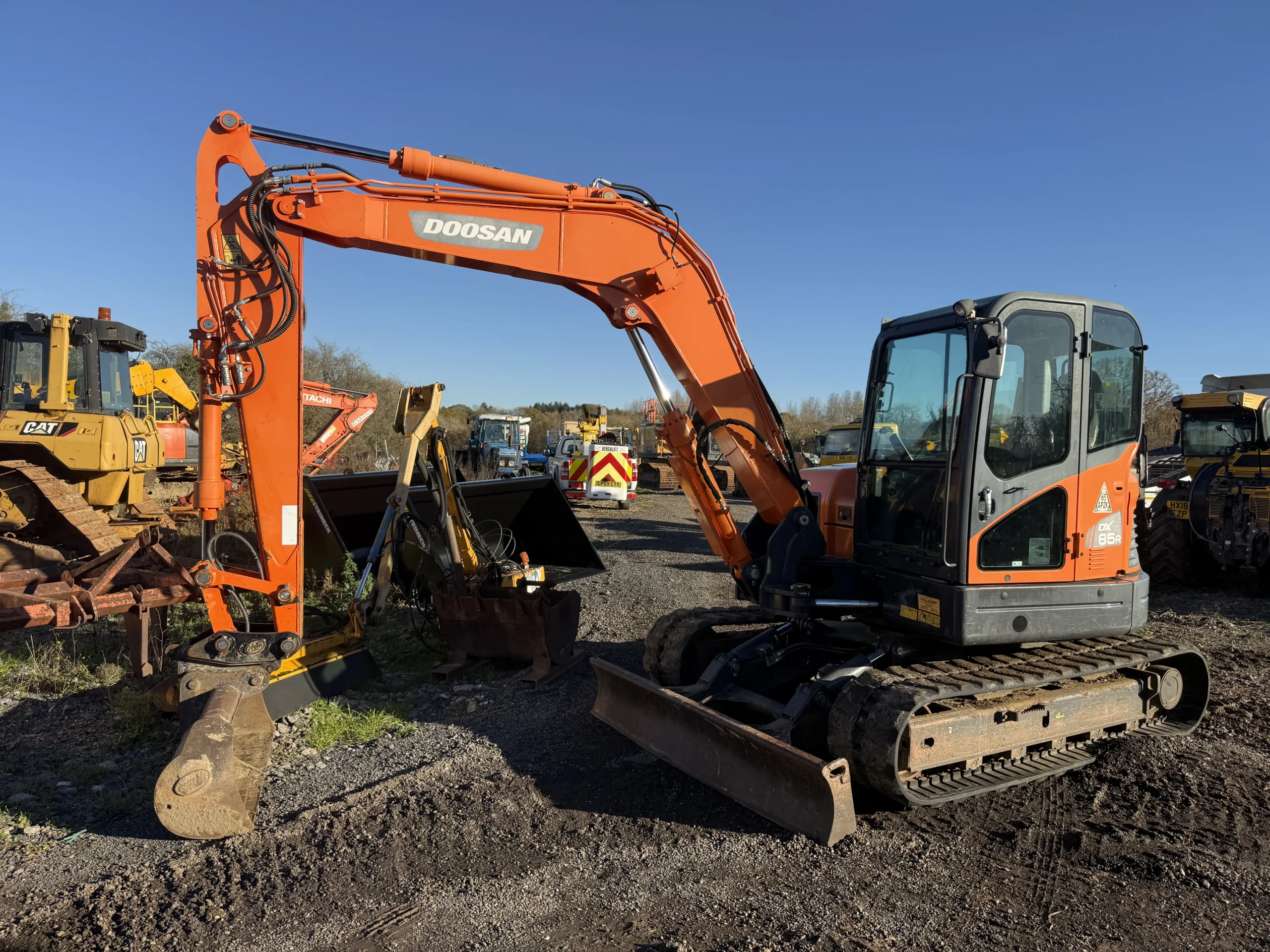 Dealer photo
Doosan dx85 tracked digger year 2017 12000 hours
Questions about used excavators
Should a self employed operator buy their own machine?
Work out how many days a month you need to cover the monthly payment, insurance, transport and servicing at your operated day rate. If steady work covers that in well under half your working days, owning usually pays. Many owner drivers start with a used 8 to 14 tonne excavator, because those find the most work and hold their value. Lenders want to see your experience on the machine and evidence of work lined up, such as contracts or regular customers.
What size excavator do I need for groundworks?
As a rough guide, 8 tonne midi excavators suit housing plots, drainage and utility work where space is tight. Machines around 13 to 14 tonnes are the general groundworks size for roads, sewers and site preparation. At 20 to 22 tonnes you are into bulk earthworks and loading lorries quickly, and 30 tonnes and above is quarry and major civils territory. Think about transport too, because the larger sizes need a low loader every time they move.
How many hours can a 20 tonne excavator do?
There is no set limit. A mainstream excavator that has been serviced on time often works well past 10,000 hours, usually with major items such as the undercarriage, pins and bushes or a hydraulic pump replaced along the way. Quarry machines and those used with a breaker wear faster than ones used for general digging. Ask for the service history, any oil analysis results and invoices for big repairs, because a machine with recent major work can be a better buy than a lower hour one.
What should I look at on a used 360 excavator?
Raise the arm and rock the upper structure to feel for play in the slew ring, then look along the boom and dipper for cracks or weld repairs. Check track tension, rollers and sprockets, and look for leaks around the travel motors and final drives. Listen for a whining hydraulic pump and watch for slow or jerky functions once it is warm. Check the ROPS and FOPS guarding, the cab glass and the hour meter, and ask whether oil samples have been taken.
Wheeled or tracked excavator: which is better?
Tracked excavators are more stable, cope with soft ground and are usually cheaper to buy, which is why most sites use them. Wheeled excavators can drive between nearby jobs on the road and work on tarmac without damaging it, so they suit utilities, councils and urban work. A wheeled machine used on public roads must be registered, insured and fitted out for road use, and the driver needs the right licence entitlement, so check those points before you buy one for that reason.