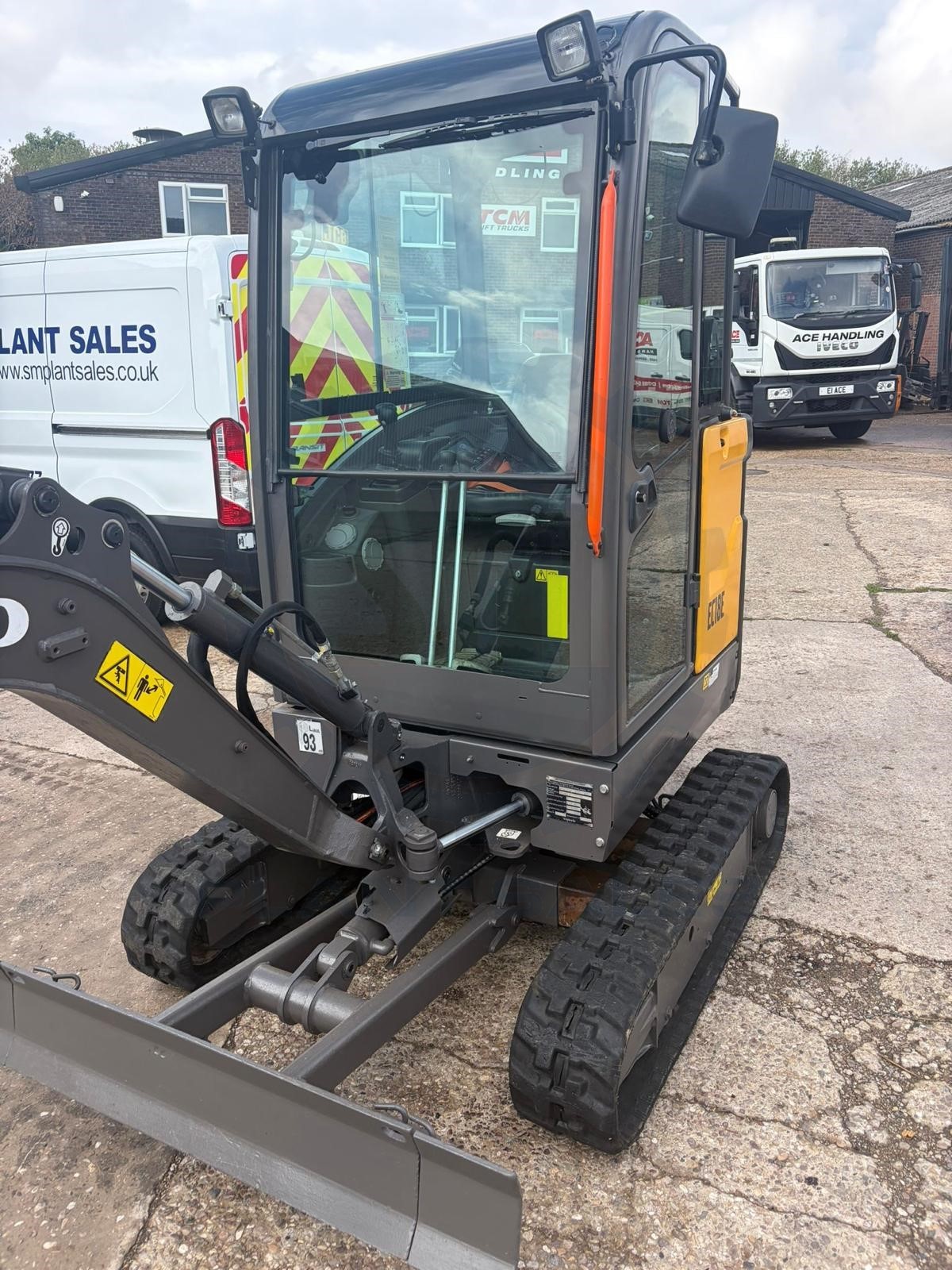
 8 photos
Mini diggers
USED2502 Volvo EC18E Excavator YOM 2021 Hours 1391
£373/mo
VAT as deposit, 48 months
£17,923 repayable in total
£14,750+VAT cash

Every machine we list from SM Plant Sales, checked overnight against their own website.
SM Plant Sales is a plant dealer in Rugby, Warwickshire. We list 4 machines from them right now, mainly excavators, dumpers and mini diggers, priced from £14,750 to £35,500. Customers rate them 4.3 out of 5 across 17 Google reviews. Finance can be arranged on any of their stock here, through a panel of more than 60 lenders.
Nothing matches that yet
Try fewer words or a higher budget, or tell us what you need and we'll find it.
8 photos
Mini diggers
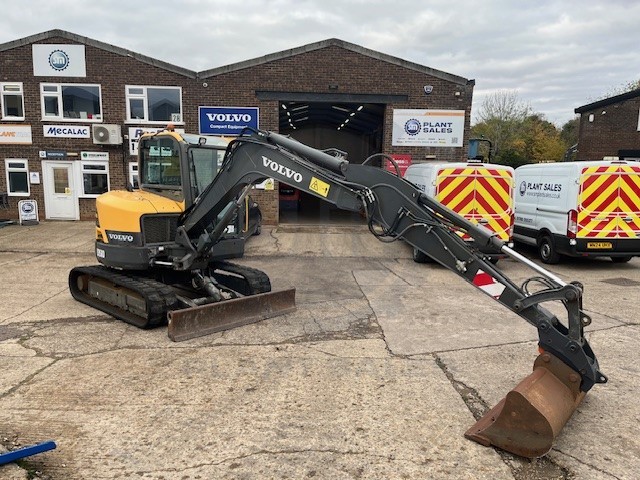 11 photos
Excavators
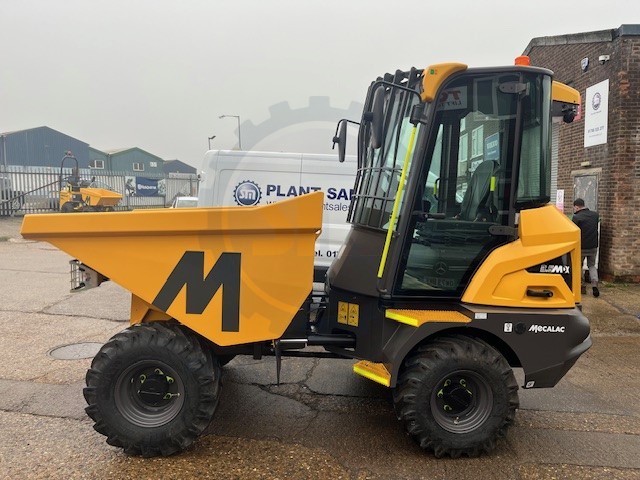 9 photos
Dumpers
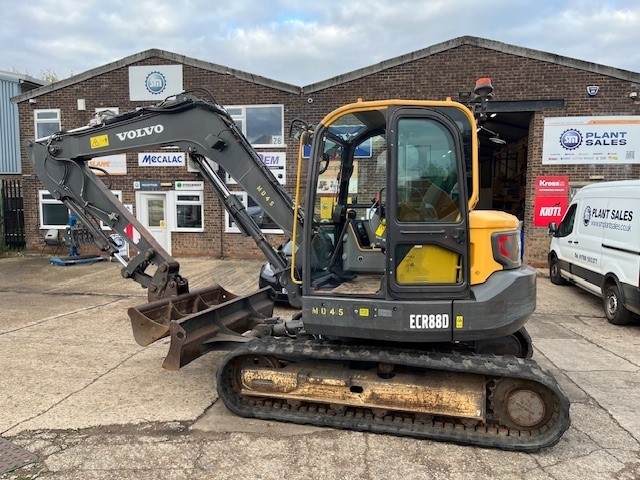 13 photos
Excavators
Live stock from 1 dealer, updated overnight. Latest listing update 24 Nov 2026.
Is this your business? Add a Plant Monthly badge to your website.
On Plant Monthly today, payments for used plant from SM Plant Sales are about £373 to £899 a month on business hire purchase over 48 months, with the VAT paid as the deposit. These figures are illustrative and the rate you get depends on your business, the machine and the lender. Over that term the finance payments and known fees total £17,923 to £43,136, before the upfront deposit.
4 machines are listed from 1 UK dealer, priced from £14,750 to £35,500. Every price is the dealer's own and is checked against their website every night.
Work out how many days a month you need to cover the monthly payment, insurance, transport and servicing at your operated day rate. If steady work covers that in well under half your working days, owning usually pays. Many owner drivers start with a used 8 to 14 tonne excavator, because those find the most work and hold their value. Lenders want to see your experience on the machine and evidence of work lined up, such as contracts or regular customers.
As a rough guide, 8 tonne midi excavators suit housing plots, drainage and utility work where space is tight. Machines around 13 to 14 tonnes are the general groundworks size for roads, sewers and site preparation. At 20 to 22 tonnes you are into bulk earthworks and loading lorries quickly, and 30 tonnes and above is quarry and major civils territory. Think about transport too, because the larger sizes need a low loader every time they move.
There is no set limit. A mainstream excavator that has been serviced on time often works well past 10,000 hours, usually with major items such as the undercarriage, pins and bushes or a hydraulic pump replaced along the way. Quarry machines and those used with a breaker wear faster than ones used for general digging. Ask for the service history, any oil analysis results and invoices for big repairs, because a machine with recent major work can be a better buy than a lower hour one.
Raise the arm and rock the upper structure to feel for play in the slew ring, then look along the boom and dipper for cracks or weld repairs. Check track tension, rollers and sprockets, and look for leaks around the travel motors and final drives. Listen for a whining hydraulic pump and watch for slow or jerky functions once it is warm. Check the ROPS and FOPS guarding, the cab glass and the hour meter, and ask whether oil samples have been taken.
Tracked excavators are more stable, cope with soft ground and are usually cheaper to buy, which is why most sites use them. Wheeled excavators can drive between nearby jobs on the road and work on tarmac without damaging it, so they suit utilities, councils and urban work. A wheeled machine used on public roads must be registered, insured and fitted out for road use, and the driver needs the right licence entitlement, so check those points before you buy one for that reason.
They are valves fitted to the boom and dipper rams that stop the arm dropping if a hydraulic hose bursts. They are essential if the excavator is used to lift loads, along with an overload warning device and a lifting point with a marked safe working load. When buying a used machine for lifting, check they are fitted and working and ask for the latest LOLER thorough examination report, which lifting equipment needs at least every 12 months.